
When did you know that you wanted to write this book? What led you to this story?
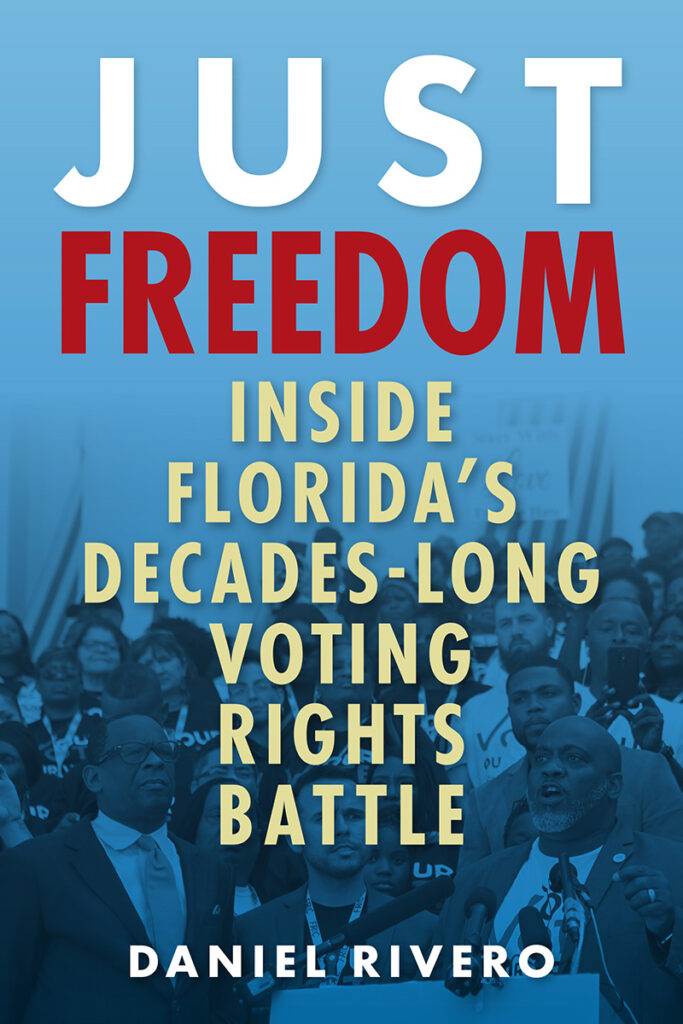
I had been investigating the passage of Amendment 4 and the subsequent laws impacting it for over a year when the pandemic hit in 2020. At every step of the process I hit roadblocks, and I couldn’t believe that no one had written something authoritative about an issue that affects the voting rights of over one million Floridians. Since I had some extra time on my hands during the pandemic, I began writing long pieces analyzing events related to Amendment 4 unfolding in real time, and started doing deeper research, including conducting interviews on the topic. All of that material later went into the book. It felt like something that needed to be done for posterity.
What do you hope readers will take away from your book?
A lot of the story has to do with the actual infrastructure of the criminal justice system, and how much of it relies on personal debt. There has been an incredible amount of bipartisan consensus over the years that this was the right thing to do in the criminal justice system—until it became clear that this debt-based system itself created a roadblock to the right to vote. I hope the book will open eyes to the seismic shifts that have taken place in our political culture, both inside Florida and on a national level.
You covered this story for a long time as a journalist before writing this book. What was it like to move from covering the story as it unfolded to writing it in book form?
Writing the book was liberating because I finally had the chance to tell the story of Amendment 4’s passage as one comprehensive tale, instead of a series of stories where you have to spend time reciting basic facts so that the piece will make sense to whoever happens to read it. And when I began to piece together the full narrative, it became clear how deep the roots of the issue went, which explained the backlash from political leaders once citizens took matters into their own hands with grassroots activism. Also, writing a book just lets you be more colorful in language and storytelling, and I really appreciated that.
Can you share a memorable moment from the time you spent with the people in the book on the path to Amendment 4 and after?
The day after Amendment 4 passed, I stopped by the office of the ACLU of Florida and interviewed executive director Howard Simon, who was unbounded in his optimism for how things would play out. At the same time, I was extremely cynical about it. It haunts me that I was so cynical about whether Amendment 4 would be fully implemented, and that I was ultimately proven correct.
Did you encounter any challenges while working on this book?
It was difficult to contact Governor Ron DeSantis’s office, and I wish I could have gotten the chance to speak with him. But I did talk to many lawmakers from different perspectives who made decisions along the way. Another challenge I came across was finding resources and different avenues to do research.
Do you have one sentence of advice for aspiring writers of nonfiction?
Instead of writing a book, write a bunch of smaller stories, then figure out how they fit together.
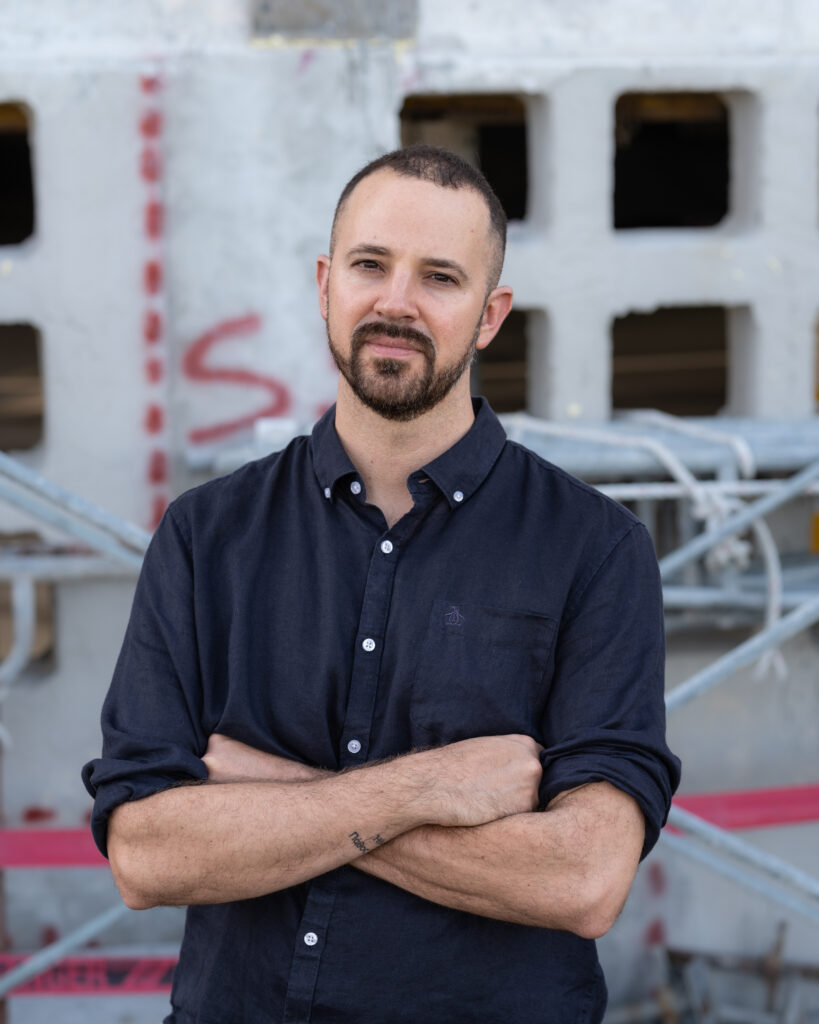
Daniel Rivero is an award-winning investigative reporter, producer, and host for WLRN Public Radio in Miami. His investigations have appeared in the Miami Herald, NPR, the Guardian, ABC News, Splinter, and other outlets.