
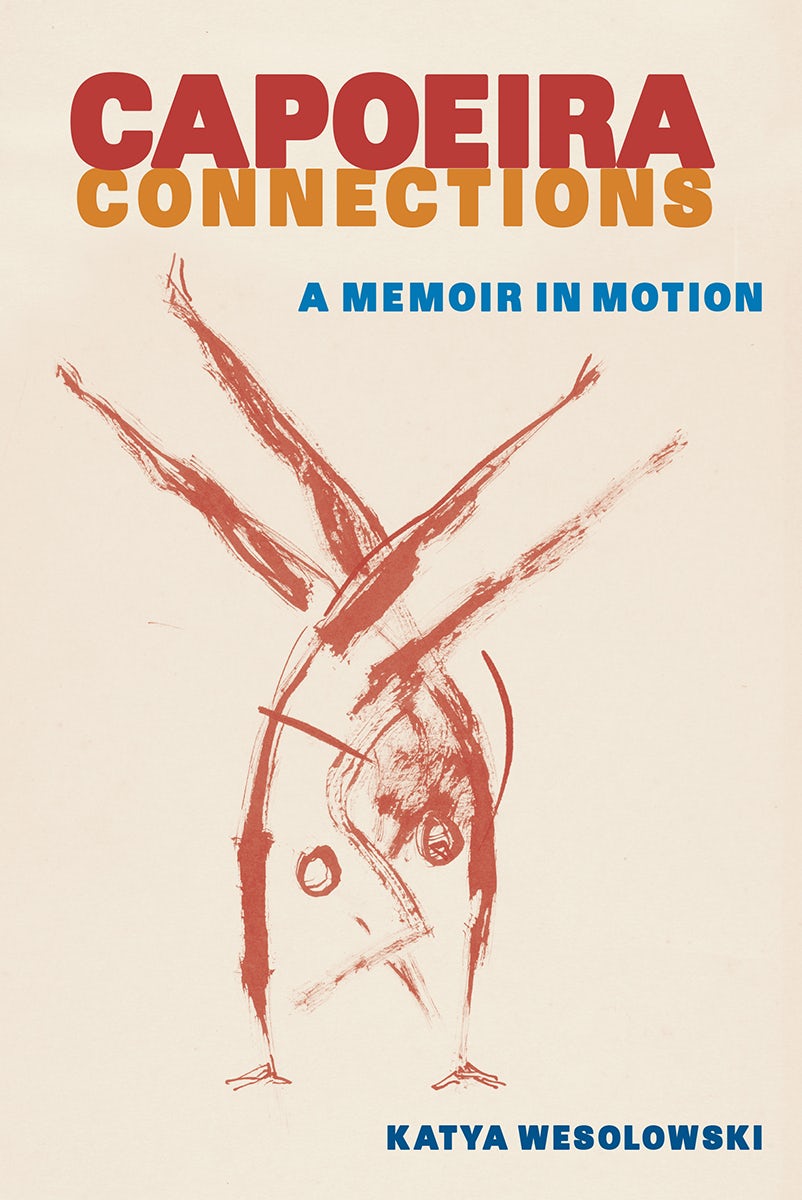
Originating in the Black Atlantic world as a fusion of dance and martial art, capoeira was a marginalized practice for much of its history. Today it is globally popular. Capoeira Connections: A Memoir in Motion is an ethnographic memoir that weaves together the history of capoeira, recent transformations in the practice, and personal insights from author Katya Wesolowski’s thirty years of experience as a capoeirista. Wesolowski argues that capoeira offers opportunities for connection, dialogue, and collaboration in a world that is increasingly fractured. In doing so, capoeira can transform lives, create social spheres, and shape mobile futures.
Here, Katya Wesolowski shares her open access experience with Capoeira Connections: A Memoir in Motion.
How long after initial publication was your book made available open access (OA)?
The OA edition of my book came out simultaneously to the print edition.
What funding opportunity allowed your book to be made OA?
I was able to publish the OA edition through a TOME Grant from the Duke University (my home institution) Libraries.
Why were you interested in publishing your book OA?
It was incredibly important to me to have an open access edition of my book, so I was thrilled when the Press was open to the idea and when I discovered the TOME initiative at Duke. I wrote the book to be accessible to a much broader audience than an academic one. I wanted not just scholars but also practitioners and instructors of capoeira to read my book. To that end, it wasn’t enough to just make it accessible in terms of language and story-telling; it also had to be accessible financially. It was also extremely important to me that folks in the book had access to it. Most of the capoeiristas I write about do not speak or read English (I am currently working on a translation for what I hope will eventually be a Brazilian edition). But with open access, I could send them a link to the book and say, look on this or that page to see your name and/or photograph. They were thrilled by this.
What is the value of OA for your discipline, and for scholarship more broadly?
There is a push in cultural anthropology for more engaged and public-facing scholarship. What is meant by this is research and publications that move beyond the ivy towers of academia; rather than speaking just amongst ourselves, we need to reach wider publics with scholarship that engages topics and issues of broader interest in a non-jargony language. This more public-facing scholarship must explore not only different genres, languages, and formats, but also how to make itself more available. Unless you have deep pockets or access to a university library, it can be hard to get ahold of recently published academic books. In broader terms, I believe that knowledge should be open and shared with everyone. Academics are in a good position to forward this agenda since most of us are not dependent on book sales for our livelihood.
Have you had any feedback about the OA edition of your book?
I can say that thanks to the open access edition several colleagues have assigned parts of my book in courses, as have I. Without open access I would not have felt comfortable asking students to buy my book. While I could have provided them excerpts, what is great about the open access edition is they can keep reading beyond what I have assigned and many of them do. I am always pleased when a student refers in class discussion or a writing assignment to an unassigned part of the book that particularly resonated with them. And as I said above, it has been wonderful to get responses of surprised pleasure from capoeiristas around the world who were a part of my research when I send them a link to the whole book!
This book is freely available in an open access edition thanks to TOME (Toward an Open Monograph Ecosystem)—a collaboration of the Association of American Universities, the Association of University Presses, and the Association of Research Libraries—and the generous support of Duke University.
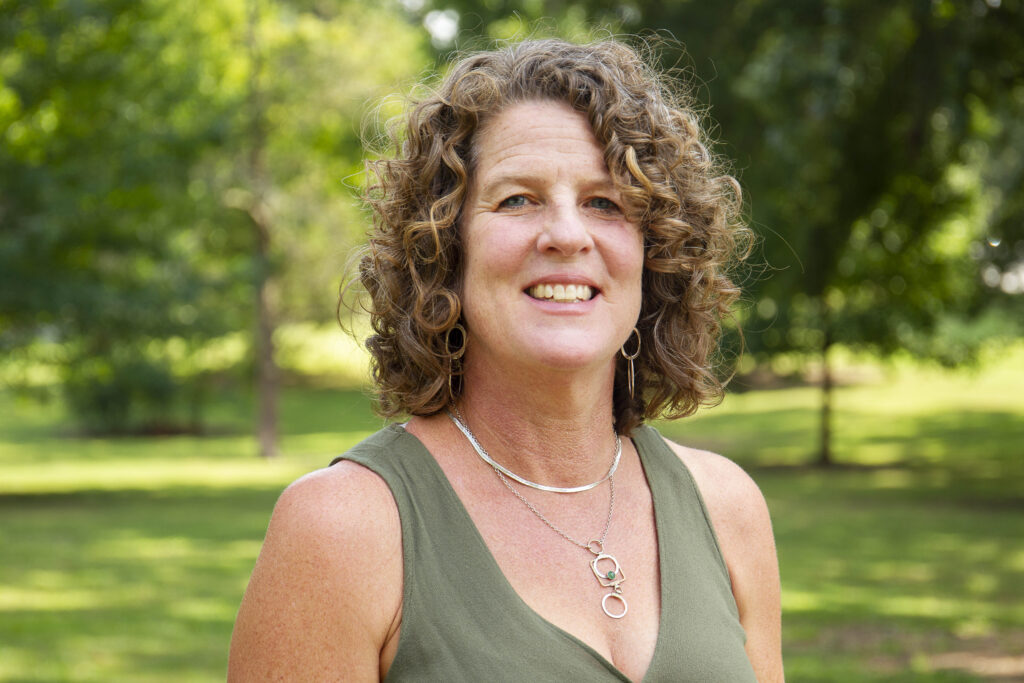
Katya Wesolowski is lecturing fellow of cultural anthropology and dance at Duke University.