
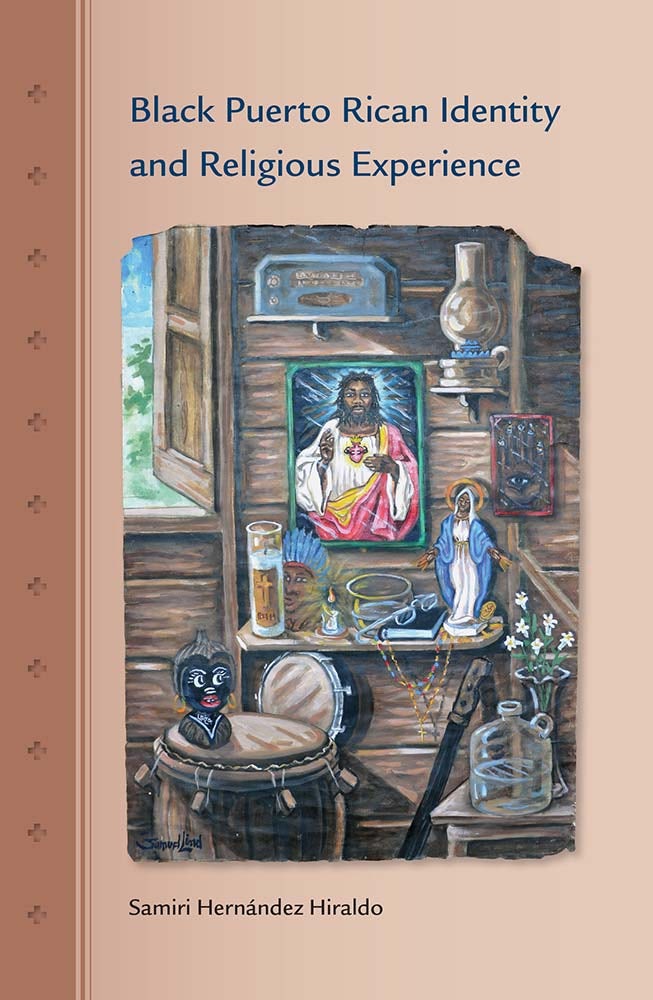
Written by Samiri Hernández Hiraldo, author of Black Puerto Rican Identity and Religious Experience.
A few years ago, I read an article by Miari Taina Stephens in which Stephens expressed her surprise at never having heard about Black Puerto Ricans in academic settings before reading Black Puerto Rican Identity and Religious Experience for an anthropology class in her first year of college. The book inspired her to explore her identity through her PhD research at Harvard, and she continues to research Afro-Puerto Rican and Caribbean women’s activism. Stephens and other readers of my book have reaffirmed the importance of Black Puerto Rican studies, particularly as anthropology faces an increased devaluation in some sectors.
Like Stephens, my interest in Puerto Rican Blackness was personal and sociopolitical. It stemmed from my connection to Loíza, the town that represents Black and African heritage in Puerto Rico, and my desire to understand my mother’s side of the family. I also sought to reconcile my previous depreciation of my mother’s family, who, despite their intellect, wisdom, and cultural insights, were often dismissed as un-Christian and even superstitious.
In the twenty years since my book’s publication, I have been inspired by the positive changes in Loíza, on which my research was based. During my work in the mid-1990s and early 2000s, Loízans protested that funding favored cultural events over essential services, treating Loíza like a museum, and that economic development was planned to largely benefit tourists and the wealthy while harming the environment. Today, both ecological and Black cultural tourism have positively impacted Loíza, though some infrastructural and environmental challenges remain. Together, there are hundreds of programs, projects, organizations, and events—mostly women-led—that focus on celebrating, studying, voicing, and advocating for the history, culture, and rights of Black Puerto Ricans. Several of these initiatives heavily leverage the arts, social media, and partnerships with organizations throughout Latin America and the Caribbean.
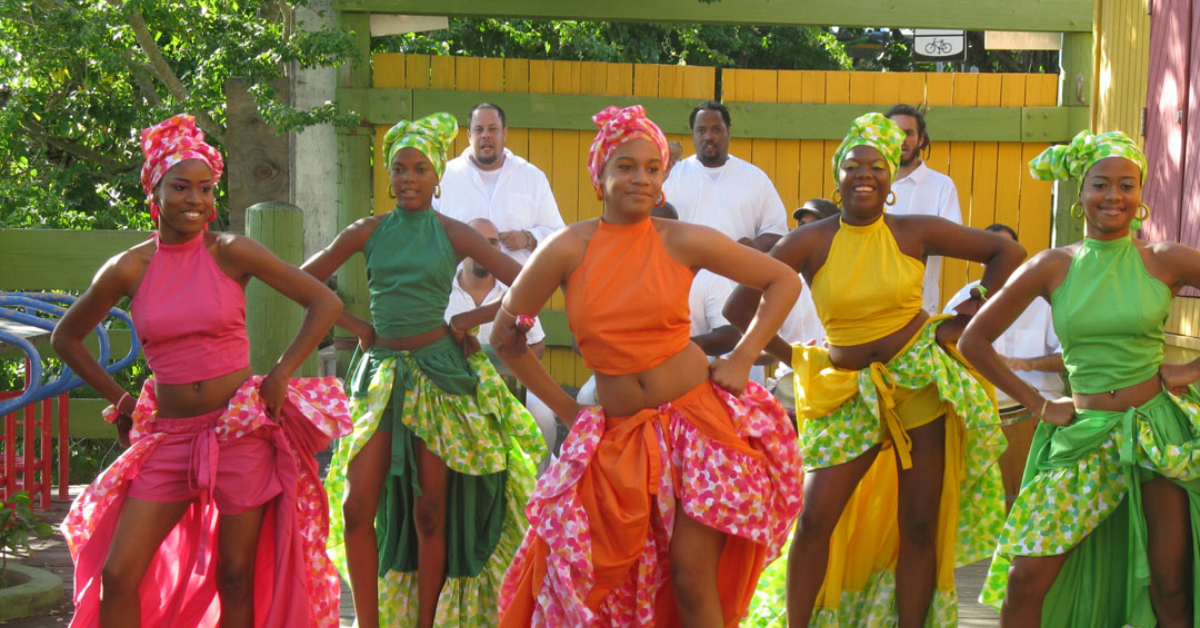
A significant aspect of Black Puerto Rican culture is the growing popularity of Bomba music. Today, it is sung and danced across the island, including in church events, and among the diasporas. Recently, the Loízan community in New Haven, Connecticut, was highlighted for its efforts to preserve Bomba, with my book used as a reference. In 2023, the people of Orlando dedicated the Florida Puerto Rican Parade & Festival to Loíza. While the genre had already gained international exposure before Bad Bunny, he has also no doubt influenced a recent surge in Bomba’s popularity.
Still, Black Puerto Ricans are underrepresented in professional careers, political positions, private entrepreneurship, and other areas. They continue to experience stereotyping and racism systemically and interpersonally, in overt and covert ways. In addition, the number of femicides continues to rise in Puerto Rico, with the majority of victims being Afro-descendant women who also experience poverty. A recent incident in which one girl was wounded and another murdered by gun violence in Loíza has urged community mobilization toward addressing crime and other social issues.
On the twentieth anniversary of my book’s publication, I hope that Black Puerto Rican Identity and Religious Experience continues to inspire and inform. I hope future work continues to build bridges between past and future generations and becomes part of the necessary activism that courageously and steadfastly addresses Puerto Rico’s challenges, old and new, through decolonized and accessible education.
Samiri Hernández Hiraldo teaches anthropology and religion at Florida A&M University. She has conducted research and has published academic work in these areas. Currently, she researches the activism of Afro-Puerto Rican women connected to spirituality. She is the author of six poetry collections, and her poems have appeared in national and international anthologies and literary journals. Lately, she has also delved into literary anthropology, especially ethnographic poetry, linking it to fieldwork, research, teaching, and the dissemination of anthropological knowledge.
Cover image: “Majestad negra,” by Spreadofknowledge, CC BY-SA 4.0, via Wikimedia Commons.
