
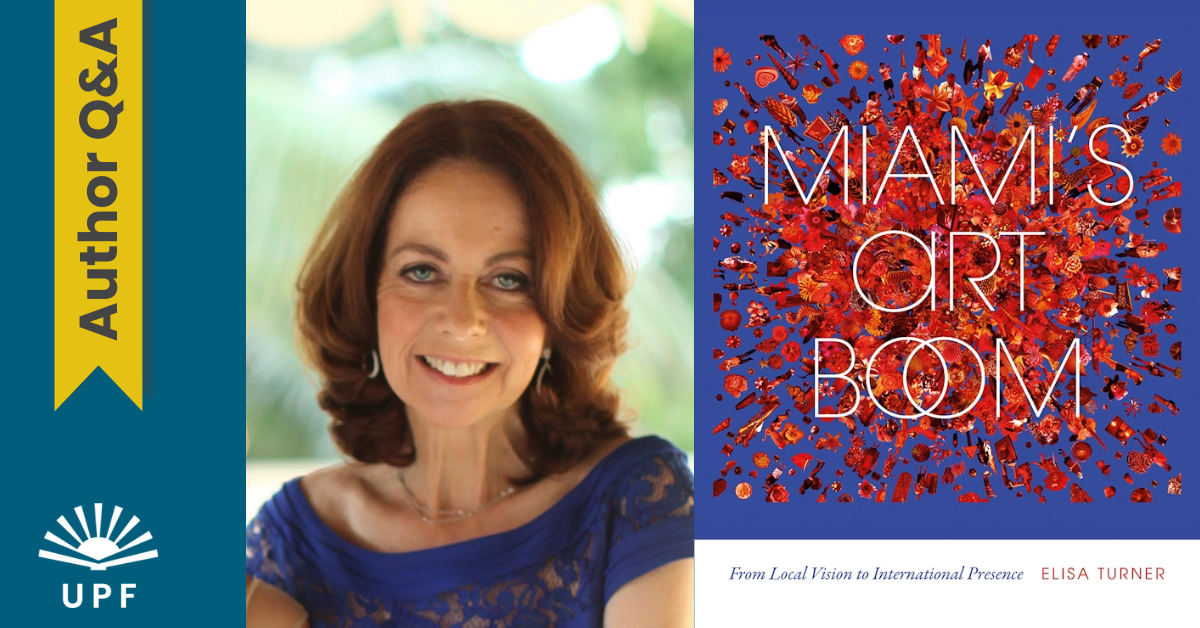

What first drew you to document stories of the art community in Miami?
While living in New York in the early 1980s, I had published one or two art book reviews in the magazine ARTnews. That led to me being named Miami correspondent on the masthead of ARTnews magazine after I moved to Miami in 1984. I realized how much I liked writing about art, building on what I had learned in college. In 1986 I started reviewing art gallery shows for The Miami Herald and filling in for the full-time art critic when she traveled. I developed my own art reference library from review copies that had been sent to the Miami Herald. In the process of writing for both publications, I met numerous artists and made many connections in Miami’s art community. It was a remarkable introduction to an unfamiliar city I would eventually call home.
Which Miami-based exhibition has been one of your favorites, and how does it reflect the region’s art scene more broadly?
I loved writing about “The Sacred Arts of Haitian Vodou” exhibit at Miami Art Museum and specifically the art of Edouard Duval-Carrié. I became fascinated with the art and culture of Haiti. Miami has a considerable Haitian immigrant population that’s reflected in the city’s cultural community. Artists of Haitian descent and heritage working in Miami include Asser Saint-Val, Morel Doucet, and Mark Fleuridor. They illustrate how much the culture of Miami has been shaped by the Afro-Caribbean diaspora. I am particularly proud of my review/profile of late photographer Kerry Stuart Coppin in Part III of the book. His travels to document the African diaspora in the US and the Caribbean led him to Senegal, sharing fascinating insights on current cultural exchanges.
What do you hope readers will enjoy the most about your book?
I hope they will enjoy reading about the growth of Miami’s art scene over 20 years. I hope they’ll be intrigued by insights artists have shared regarding their sources of inspiration and, in relevant cases, how their experiences of exile made their art more powerful. Arturo Rodriguez, Maria Brito, Robert Chambers, Lydia Rubio, Charo Oquet, Eugenia Vargas, and Purvis Young are just a handful of the many talented artists that I interviewed. Perhaps my favorite artist profile/review is of José Bedia. The cultural strands shaping his art reflect in an essential way what is special about the Miami art scene. Since the Herald rarely had space to run a review and profile as separate stories, I looked for ways to combine elements of both in my reviews and feature stories.
What do you think will surprise readers about your book?
I think they will be surprised by the sorry state of the Bakehouse Arts Complex during the years covered in this book compared to how it is now flourishing. Readers may be surprised to learn how Miami has long had a community of self-starting artists and art supporters who moved the art scene forward. They initiated their own exhibits and programs when major museums did not take notice and when Art Basel Miami Beach was postponed for a year due to the events of Sept. 11, 2001. Similar grassroots initiatives continue today at the Tunnel Project in Little Havana, Dimensions Variable, and Bridge Red/Under the Bridge in North Miami, for instance.
What do you think makes the art scene in Miami distinct from that of other major cities?
I think it is our geographical proximity to the Caribbean and Latin America. Artists who have come here from these culturally rich and varied destinations have enhanced the art scene here in a multitude of ways.
What do you think the future holds for Miami’s artists and art community?
I am encouraged by how successfully the art community rallied to spur Mayor Daniella Levine Cava to restore nearly all cultural arts programming grants, which had been in danger of being cut. She did this by identifying close to $66 million in additional funding, partially from unspent funds in the previous year’s budget. Due to this activism, she now proposes to maintain the independence of the Department of Cultural Affairs to protect these funds in the future.
However, I am concerned that arts groups must plan for future years when these newly identified and recovered funds might not be available. We live in a time of decreasing financial opportunities for diverse, creative expression. Cuts to the arts budgets in the State of Florida and the National Endowment for the Arts grants are just two examples. I am concerned about the consequences for artists and all of Miami from rising seas, gentrification, and Miami’s exceptionally high cost of living. That said, I am hopeful and heartened by this art community’s creative energy, resourcefulness and resilience, which I have witnessed for years.
How does your book reflect the changing media landscape?
I feel extremely lucky that I have survived as an art critic and art journalist and I get to see a selection of my Miami Herald writing published in Miami’s Art Boom: From Local Vision to International Presence. I continue to write about art for various publications including Artburst Miami and Burnaway and have been commissioned to write catalog essays. I see this book as a testament to the importance of preserving Miami’s cultural heritage in the face of declining financial support for the arts and the decreasing number of outlets for arts journalism. This is why I consider stories preserved in this book to be cultural artifacts.
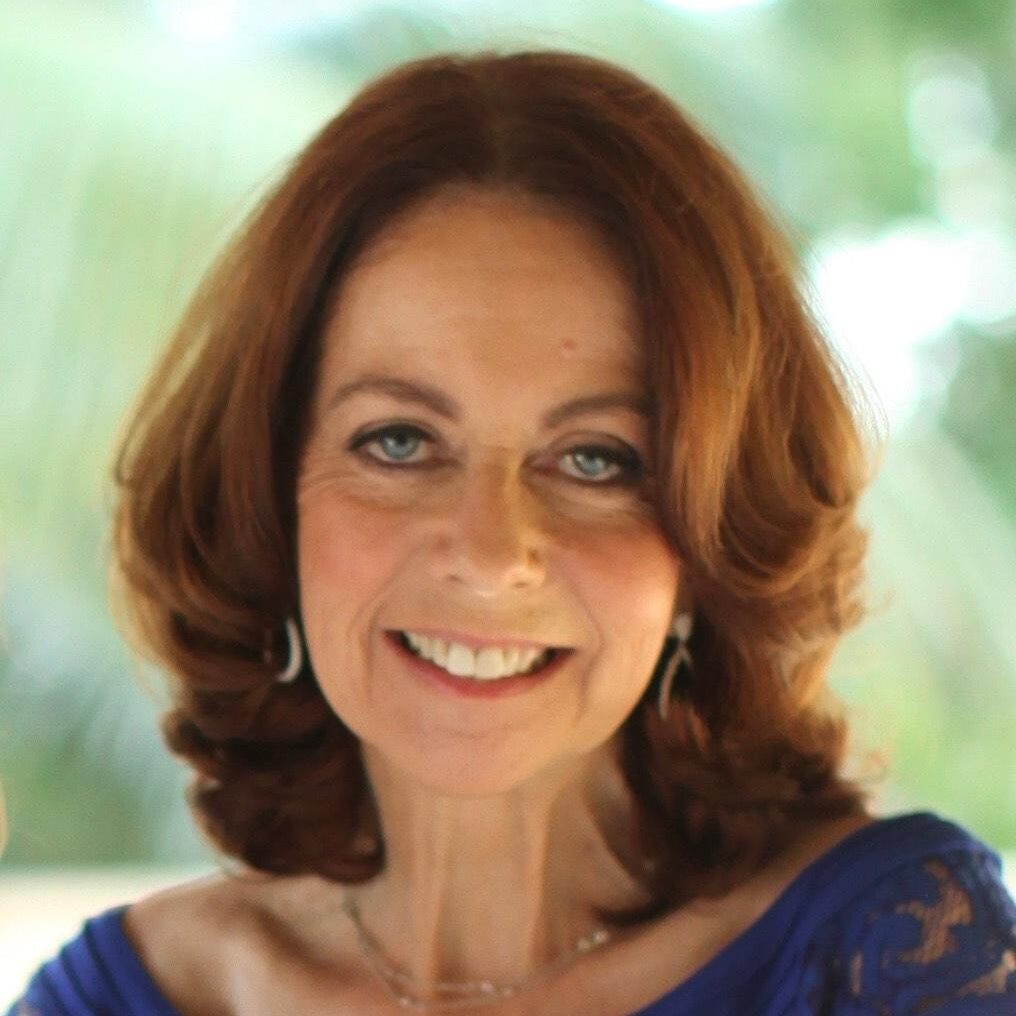
Elisa Turner is an art critic and art journalist based in Miami. She is the recipient of many awards including the Rabkin Prize for art writing, multiple Sunshine State Awards from the Society of Professional Journalists, and the Leadership Award from the ArtTable Florida Chapter. Turner is a contributor to ArtBurst Miami, Burnaway, Hyperallergic, Fine Art Globe, and Miami Rail, and covered the visual arts for the Miami Herald from 1986 to 2007.