
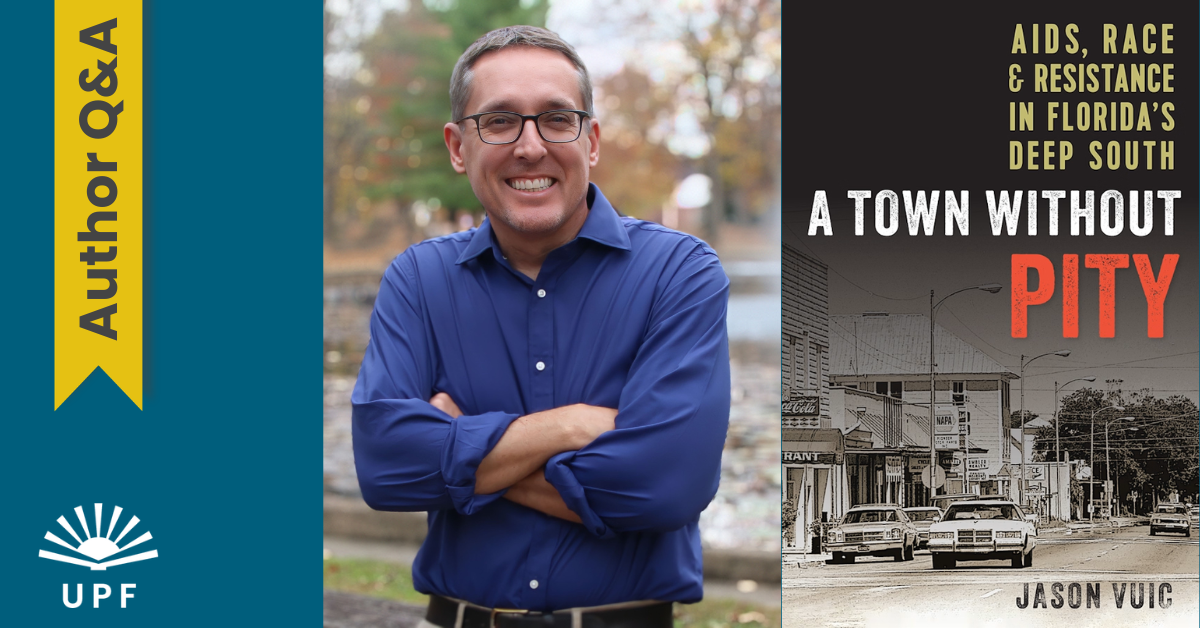

When did you know that you wanted to write this book? What led you to the town of Arcadia and these two stories from its past?
I grew up in nearby Punta Gorda and was in high school in the late 1980s when these two events made national news. While I can’t say I’ve wanted to write this book since I was a teenager, the town of Arcadia and its responses to the Ray case and the James Richardson wrongful conviction case have been in my head for decades.
In your view, what connects the cases of James Richardson and the Ray brothers?
On the surface, the two events didn’t seem connected: an innocent Black man wrongfully convicted of poisoning his seven children, and three white, HIV-positive brothers banned from school and church and forced to leave town after someone burned down their house. Similar events happened elsewhere in America all the time. But in tiny, insular Arcadia, two major events of this kind happened within the span of a year. In A Town Without Pity, I wanted to explore why.
How would you describe Arcadia and what is the story behind your book’s title, A Town without Pity?
In 1987, DeSoto County historian George Lane said that Arcadia was “50 miles and 50 years from Sarasota,” and that’s how people described it, as somehow being stuck in a time warp while the rest of Florida modernized and changed. Therefore, when the Ray case broke, Arcadians seemed out of step with mainstream America, so much so that ABC’s World News Tonight dubbed the community “a town without pity,” a reference to a 1961 Kirk Douglas film about a similarly bleak story that took place in a town in Germany.
What do you hope will stand out the most to readers about your book?
My last book was about land development in Florida in the 1950s and ’60s and how lot sellers and large land corporations built entire cities from scratch, such as Palm Bay and Port St. Lucie. However, the flip side to this new Florida was an old, agricultural Florida where things seemingly didn’t change and deeply held prejudices and biases persisted . So, in addition to the Richardson and Ray stories, that is what this book is about.

Who are your favorite authors, and how have they influenced or informed your own work?
I’m a big fan of the great Florida writers Craig Pittman and Carl Hiaasen: Pittman for his investigative reporting and works of nonfiction and Hiaasen for his satire and wit. I also greatly admire Gary Mormino, whose Land of Sunshine, State of Dreams is one of the best books ever written about Florida.
Do you have one sentence of advice for aspiring writers of nonfiction?
Whoa… that’s a tough one. I think to be a good historian, you have to grind. By that I mean once you’ve decided on a subject, you have to learn everything you can about it to the point of being obsessed. That means finding every book, every article, and poring over documents in archives until your back hurts. The point is, to write a thing, you have a know a thing; therefore, research is key.
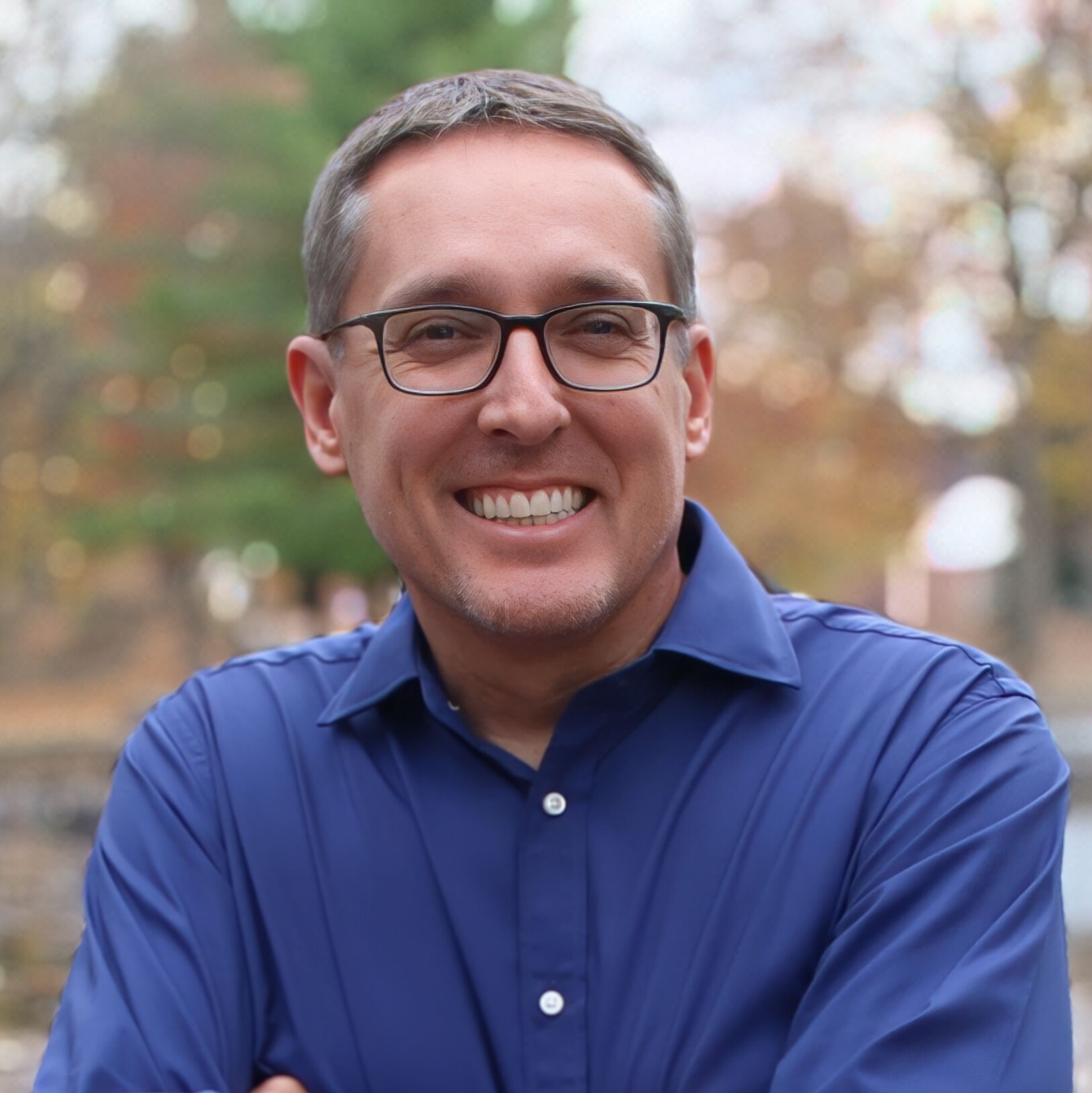
Jason Vuic is the author of The Swamp Peddlers: How Lot Sellers, Land Scammers, and Retirees Built Modern Florida and Transformed the American Dream, winner of the Florida Book Awards Gold Medal for Florida Nonfiction and the Florida Historical Society Charlton Tebeau Award. Vuic is also the author of The Yucks: Two Years in Tampa with the Losingest Team in NFL History and The Yugo: The Rise and Fall of the Worst Car in History.