
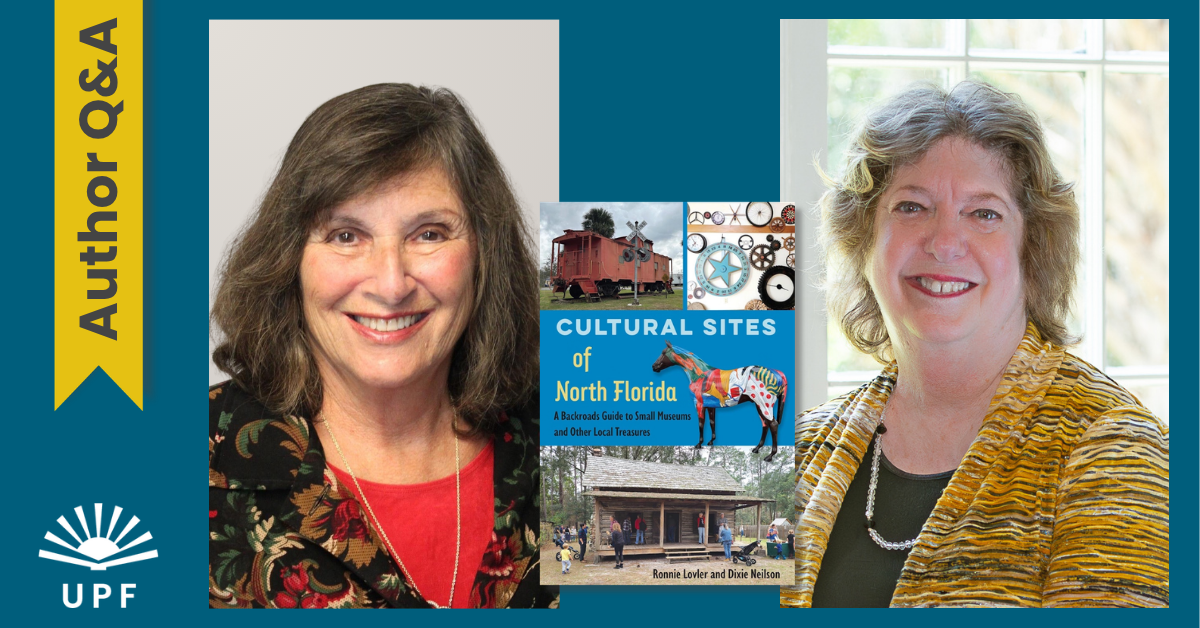

When did you know that you wanted to write this book? What led you to this subject?
Ronnie Lovler (RL): I wrote a digital travel book, Blue Ridge Traveler: A Western North Carolina Guide, about 15 years ago when my son attended a college in the area and we enjoyed exploring and experiencing it together. Fast forward to 2021, when I had a conversation with Mainstreet Daily News publisher J.C. Derrick, about doing something similar for North Florida. I began writing my column, Florida Finds, and the more I wrote, the more I thought that collecting all of these places to visit in a book would be a great idea. It seemed a natural fit to do this with my friend Dixie Neilson, given her decades of museum experience, and voila, we were off and running.
Dixie Neilson (DN): My co-author Ronnie discussed with me her idea of writing a book on small museums one could visit, those that may be little-known due to their size or location. As a life-long museum staff member, I had been looking for an outlet to discuss the issues of small, underserved museums and what they offered in a world populated by other tourist attractions. When she asked me to join her, it seemed like a great match and a great opportunity to work with a friend.
How did you find the 43 museums and cultural sites included in your book?
RL: That was tough, and we had many debates and conversations about which museums and sites to include. Individually and collectively, we had each visited many places, but we couldn’t write about them all, or we would still be writing! We established our own criteria for inclusion and made our selections based on that. Making the final cut was probably the most difficult part of writing this book.
DN: We first listed places we were familiar with, then researched other sites we thought would be fun for our readers to visit. Our criteria included museum size, staff size, and location. We wanted to create a guide for North Florida day-trip destinations. And, when possible, for those wishing to embark on a longer excursion, we included several nearby places to explore. Our list and our criteria shifted as we went. Not all museums fit our initial criteria, yet we discovered many more gems than we expected. We added state and local parks that are often manned by just a few knowledgeable staff members, and some seemingly larger sites that included small collections.
What connects these 43 destinations? What do they tell us about the region of North Florida more broadly?
RL: In the case of our book, it’s location, location, location! There were a few places I reluctantly agreed to omit because they didn’t quite fit the geographic parameters we had established. We found lighthouses and a railroad museum, a former warehouse now housing a local history museum, and a site paying homage to horse racing and thoroughbred breeding, all located within our home turf. Each place stands on its own merits, but together they paint a comprehensive picture of the area.
DN: Each museum is unique: they each have their own stories to tell and their own purpose for being. Yet overall, they teach us the history of this area. From the soldiers who built barracks to house 745,000 personnel in only three months at Camp Blanding, to the doctors who discovered that washing their hands before surgery saves lives, to the gardeners who cut through solid rock to build beautiful waterfalls and gardens. These stories are very different, but they all demonstrate strength, fortitude, and passion—hallmarks of the people of North Florida.
What would you say to someone who might pass by small museums on their travels without stopping in? What makes places like these worth visiting?
RL: Stop! Don’t always keep going. I will give you one example from my own experience. I had driven down US Highway 40 from Ocala more times than I can remember on my way to the beaches. I had always passed by the Barberville Pioneer Settlement right off the highway but never took the time to stop. Until one day I did. It’s now one of my favorite places. So, the next time you take a road trip, don’t focus on getting from Point A to Point B immediately. Build time in to your trip for exploring.
DN: Why are you passing by when you can discover something very special in these museums? Many of these roadside museums contain games you might have played as a child, or locomotive train sets from days past that are still chugging their way around the track. If you are new to the area there is no better way to learn about your new home. You can ask as many questions as you want, and no one will shush you. You can learn which plants grow well here and how to avoid alligators. If you want to spend time with family or loved ones, pack them up and bring them along.
Do you have advice for anyone interested in finding hidden gems like these in their own local area?
RL: Meander and explore. If you are visiting familiar places you have gone before, take the time to check out something new. For example, you may have taken a trip to St. Augustine or Jacksonville Beach. Next time you are in St. Augustine, park your car and follow the pedestrian walkway across the Bridge of Lions instead of driving over it. Rather than going straight to Jacksonville Beach, detour to the Beaches Museum, and learn about some of our North Florida beach communities. You might learn something new. For example, did you know Jacksonville Beach was once called Pablo Beach?
DN: Yes! Get off the highway and travel the backroads where life is unhurried. Go for a walk in a town or along a beach you are not familiar with, and better yet, bring a friend. Read local magazines and talk to your neighbors. I have worked in museums for the last thirty years, and I was pretty sure I knew every site we would visit, but I was humbled and grateful to be oh so wrong. There are so many wonderful, unique places, just around the corner. Oh, and buy our book, Cultural Sites of North Florida: A Backroads Guide to Small Museums and Other Local Treasures!
What do you hope readers will enjoy the most about your book?
RL: I hope readers will enjoy learning about places that are both on and off the beaten track—that they may have heard about but have never taken the time to visit. I hope our book will give people ideas about where to go and I hope that they will have as much fun exploring the cultural sites we have written about as we did. The places we write about are perfect for both individuals and families to explore, and we hope that people will follow in our footsteps and get to know the cultural sites we write about as well as other ones that might be specific to their areas. Most of all, we hope we have inspired you to learn more about our home turf and to get out and have some fun!
DN: I hope that our readers will come back to the book again and again. We envisioned it as a book you could throw into your glove compartment and pull out whenever you wanted to explore somewhere new. I hope that they will sense the fun we had just poking around in new places and embrace this attitude for themselves. It was a very enlightening experience being in familiar cities and towns but having totally new experiences. I hope that they agree that there are many lessons to be learned by stepping over a new threshold into a place that reminds you of home.
Why did you choose to write about North Florida?
RL: We live in North Florida, so this was a natural place for us to begin. And as someone who moved to Gainesville later in life, I never knew much about this area. I knew about Miami, Orlando, the theme parks, Tampa, and St. Petersburg, But aside from the University of Florida, Gainesville and its environs were unknown to me. When I moved here, I started to explore and discovered some of our cultural sites and found them intriguing. And I thought if I knew so little when I first started, there were bound to be others in a similar fix. I have ideas about continuing exploration of other lesser-known areas of Florida and perhaps writing about them as well. But for now, first things first, North Florida!
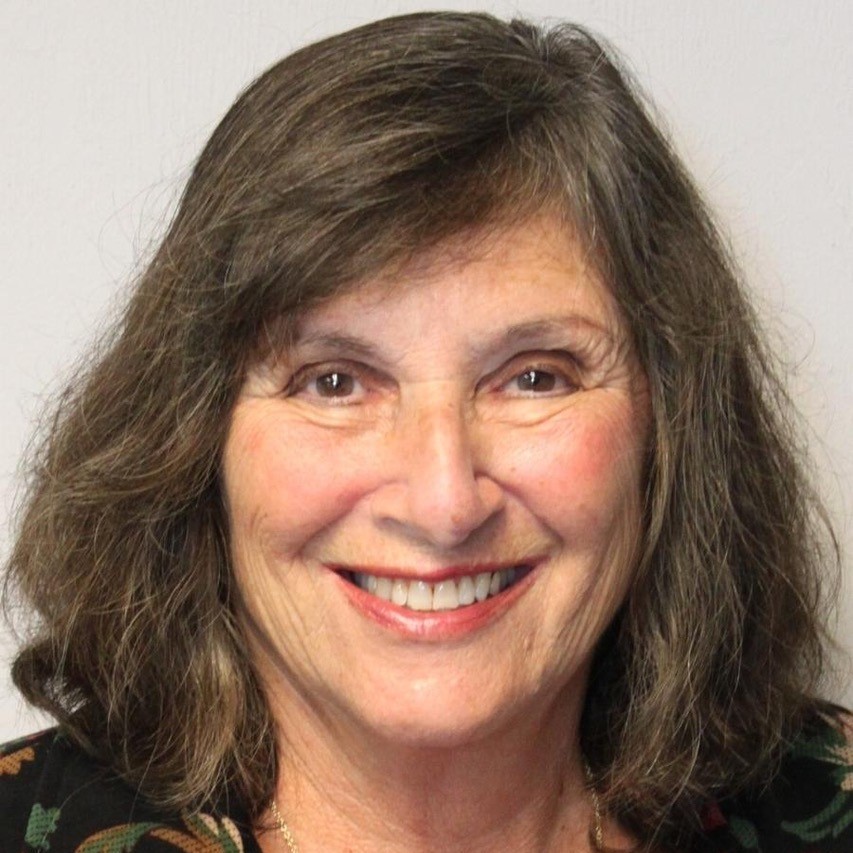
Ronnie Lovler is a journalist who covered Latin America for CNN and a former fellow of the International Center for Journalists. She wrote for the Gainesville Sun, is a correspondent for Mainstreet Daily News, and is an adjunct professor at the College of Journalism and Communications at the University of Florida.
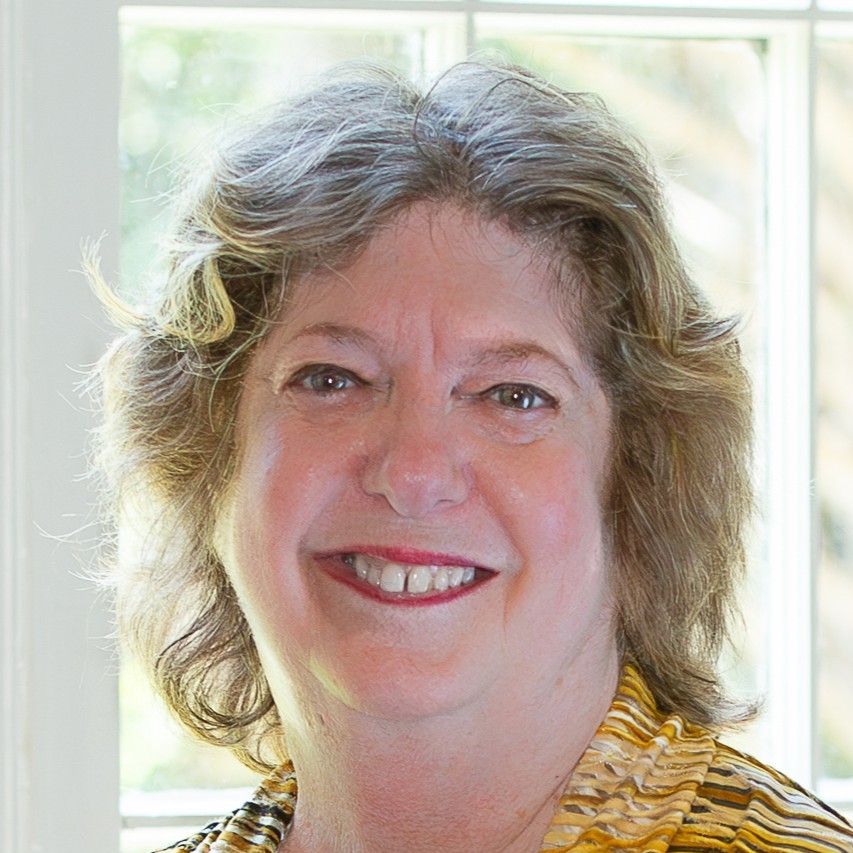
Dixie Neilson is a former director of the Matheson History Museum in Gainesville. Previously, Neilson was collections manager at the Samuel P. Harn Museum of Art and faculty member in the museum studies program at the University of Florida.